Ready to Build Something That Lasts?
We meet companies where they are, whether they’re navigating rapid growth, a transaction, a leadership gap, or an operational rebuild. Let’s talk about what you are solving for.

Mergers and acquisitions are often framed as growth opportunities, but anyone who has lived through a deal knows the reality is more complex. While the upside can be significant, the margin for error is just as large. Poor integration, weak financial visibility, cultural misalignment, or overlooked risks can quickly erode deal value.
That’s why transaction advisory has become a critical capability for companies navigating mergers and acquisitions. It’s no longer just about getting a deal done—it’s about ensuring the transaction strengthens the business after close. The right transaction advisory approach gives leadership teams the financial, operational, and people-related insight needed to make better decisions before value is put at risk.
For middle-market companies, private equity–backed organizations, and leadership teams managing growth through acquisition, success hinges on having the right strategies in place before, during, and after the transaction. Below are eight transaction advisory strategies that help finance and HR leaders reduce risk, improve decision-making, and protect long-term value throughout the M&A lifecycle.
Together, these transaction best practices during M&A can help organizations move from deal activity to real value creation.
One of the most common M&A mistakes is pursuing a transaction without clearly defining why it matters to the business. A compelling deal thesis may satisfy investors, but leadership teams need a broader strategic rationale that aligns with operational reality.
Effective transaction advisory begins by answering foundational questions:
Without alignment between strategy and execution, even well-priced deals struggle post-close. Transaction advisory teams help pressure-test assumptions, identify operational dependencies, and ensure leadership understands what success truly requires beyond financial modeling.
Financial due diligence is a cornerstone of mergers and acquisitions, but traditional approaches often stop short of what decision-makers actually need. Reviewing historical financials alone doesn’t tell the full story.
Modern transaction advisory expands financial diligence to include:
This deeper analysis allows buyers and sellers to anticipate risks early, negotiate from a position of strength, and avoid surprises that derail integration or valuation later. For companies asking what strategies reduce risk when acquiring a new company, deeper financial diligence is one of the most important risk reduction strategies available.
A Quality of Earnings (QoE) analysis plays a central role in successful mergers and acquisitions, particularly in the middle market. For sellers, it provides credibility and transparency. For buyers, it offers clarity into the true earnings power of the business.
From a transaction advisory perspective, QoE can be an effective and strategic tool. A well-prepared QoE:
Companies that invest in sell-side readiness and QoE early are better positioned to control the narrative, reduce diligence friction, and protect deal value.
While financial risks tend to get the most attention, people-related issues are often what determine whether an acquisition succeeds or fails. Culture, leadership continuity, compensation structures, and compliance gaps can all materially impact outcomes.
Transaction advisory that integrates HR due diligence helps leadership teams assess:
By identifying these risks early, companies can proactively plan retention strategies, integration roadmaps, and communication plans, rather than reacting after disruption occurs. This is especially important when value creation strategies during a merger depend on keeping critical talent engaged and aligned.
One of the most expensive mistakes in mergers and acquisitions is treating integration as a post-close problem. The most effective transaction advisory teams help companies begin integration planning during due diligence.
This includes:
Early integration planning ensures momentum doesn’t stall after close and helps leadership teams move from transaction mode to execution mode with confidence.
Growth through acquisition often exposes cracks in finance and HR infrastructure. Reporting may not scale, controls may be inconsistent, and systems may not integrate cleanly.
Transaction advisory helps companies assess whether their back-office functions are equipped to support a larger, more complex organization. This often includes:
Scalable infrastructure supports the transaction and positions the business for future growth, add-on acquisitions, and eventual exit. It also turns back-office readiness into one of the most practical value creation strategies in the M&A lifecycle.
Mergers and acquisitions introduce uncertainty for employees, leaders, and stakeholders alike. Without thoughtful change management, even strong strategic deals can lose traction internally.
Effective transaction advisory includes a focus on:
When people understand what’s changing, why it matters, and how they fit into the future state, organizations are far more likely to retain talent and maintain performance through transition.
The most successful organizations view transaction advisory as a continuous capability rather than a one-off service tied to a single deal. Whether preparing for acquisition, managing post-close integration, or planning for exit, the same core disciplines apply.
This mindset allows companies to:
For private equity–backed companies and acquisitive middle-market businesses, this approach creates compounding value over time. Instead of starting from scratch with each transaction, leadership teams can develop a repeatable model for diligence, integration, reporting, communication, and performance improvement.
At Growth Operators, we partner with leadership teams navigating mergers and acquisitions by providing hands-on transaction advisory support across finance, accounting, and human resources. Our experienced operators don’t just advise from the sidelines—we step in to help execute.
Through our nextLEVEL® framework, we help clients:
Whether you’re evaluating an acquisition, integrating a new business, or preparing for an exit, Growth Operators brings the operational expertise needed to turn transactions into long-term value creation.
Ready to strengthen your M&A strategy? Let’s talk about how our transaction advisory services can support your next critical growth phase.
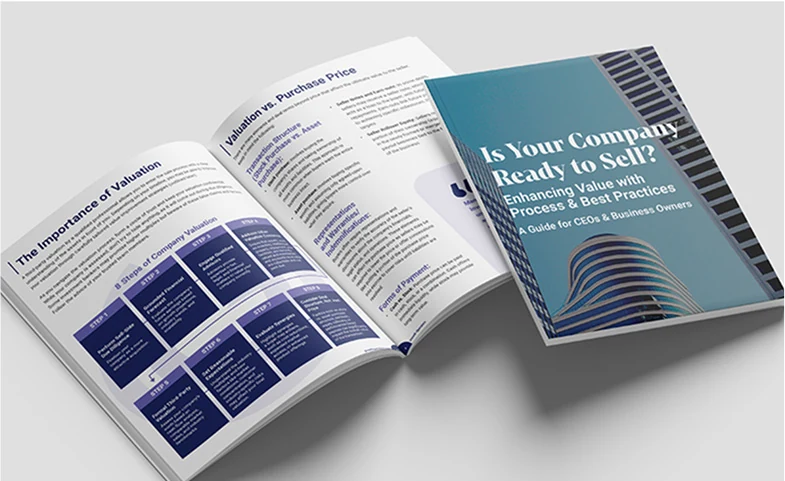
No matter where you are in the process, we can help you develop an Exit Readiness plan to maximize the value of your company and bring you to closing.
"*" indicates required fields