Ready to Build Something That Lasts?
We meet companies where they are, whether they’re navigating rapid growth, a transaction, a leadership gap, or an operational rebuild. Let’s talk about what you are solving for.

Layoffs are among the most difficult decisions a business can make. While sometimes necessary for the long-term health of the organization, they can still leave behind operational gaps and both emotional and cultural wounds. For leadership, particularly HR leaders and C-suite executives, the real work begins after the layoffs in the form of rebuilding trust, engagement, and a resilient workplace culture.
In today’s climate of economic uncertainty and shifting workforce dynamics, having a strategic HR plan in place to navigate post-layoff recovery isn’t optional. It’s essential. The good news? With the right HR strategy, businesses can turn a difficult moment into a launchpad for cultural renewal and long-term success.
Layoffs impact more than headcount. They affect morale, psychological safety, and how employees view leadership. Survivors of a reduction in force often experience what’s known as “survivor’s guilt,” a condition marked by decreased engagement, fear of future layoffs, and diminished loyalty. Add to that the disruption of team dynamics, shifting workloads, and uncertainty about the company’s future, and you have a recipe for long-term cultural deterioration.
That’s why a well-executed post-layoff HR strategy is critical. It’s not just about communicating clearly and moving on—it’s about rebuilding a workplace culture rooted in transparency, empathy, and renewed purpose.
Strategic HR leadership plays a pivotal role in rebuilding culture. Here are the most impactful tactics HR leaders can use to guide organizations through a post-layoff transformation:
Rebuilding culture begins with open dialogue. It’s critical that leaders offer transparency about why layoffs occurred, what the future holds, and how the organization plans to support its remaining workforce.
Effective communication reinforces trust and helps employees feel valued, even amid difficult change.
Employee engagement tends to plummet after layoffs. One of the best ways to reignite engagement is to demonstrate that leadership is still invested in employees’ growth and wellbeing.
Creating meaningful opportunities for employees to reconnect with the organization helps drive commitment and rebuilds a culture of shared purpose.
Culture is built on values—but values must be more than just words on a wall. After a layoff, reaffirming your organization’s core values is a vital step toward cultural continuity and renewal. It’s also the right time to ensure your values truly fit the organization’s culture and are meaningful to the internal and external brand of the company. If they’re not, it’s time for a values refresh.
When people see that your values remain consistent through adversity, it builds belief in the mission.
The workplace your team knew before the layoff has changed. So must the experience of working there. HR leaders should conduct a holistic review of the current employee experience to uncover gaps and opportunities.
Adaptation is key. When people see that leadership is willing to evolve the employee experience, they feel more secure and more empowered.
Middle managers are often hit hardest during layoffs—tasked with delivering difficult news while supporting their teams. Yet, they’re the linchpin to successful cultural rebuilding.
Investing in people managers strengthens leadership at all levels and helps embed cultural change more effectively.
Ignoring the emotional aftermath of layoffs is a critical misstep. Employees need support systems that acknowledge their stress and prioritize their well-being.
Reinforcing psychological safety shows that the organization cares about people, not just performance.
A post-layoff environment is an inflection point. HR strategy isn’t just about recovery—it’s about positioning the organization for sustainable growth. Businesses that ignore the cultural and human implications of layoffs may struggle with high turnover, decreased productivity, and long-term brand damage. But those that prioritize strategic, people-first solutions can reemerge stronger.
At Growth Operators, we know how complex it is to lead through times of change. Our Human Resources Advisory team brings real-world experience in rebuilding culture, engaging employees, and designing future-ready HR strategies.
Whether you’re navigating a recent layoff or planning for long-term workforce resilience, our seasoned HR leaders can help you:
Culture doesn’t rebuild itself. But with the right partner, it can come back stronger. Let’s get started.
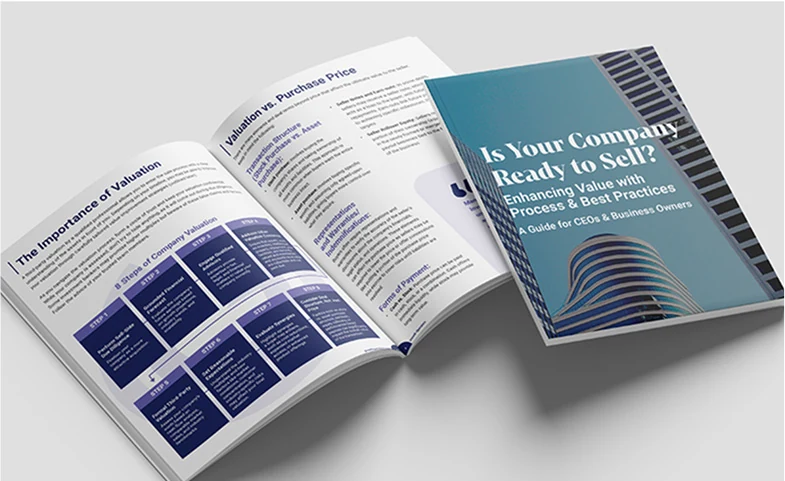
No matter where you are in the process, we can help you develop an Exit Readiness plan to maximize the value of your company and bring you to closing.
"*" indicates required fields