Ready to Build Something That Lasts?
We meet companies where they are, whether they’re navigating rapid growth, a transaction, a leadership gap, or an operational rebuild. Let’s talk about what you are solving for.

Tariffs have become more than just a headline—they’re a high-stakes variable in business planning. As trade tensions and policy shifts continue to impact global supply chains, the question isn’t if your business will feel the impact, but how well you’ll respond. For CFOs, that makes tariffs a strategic issue, not just a regulatory one. Managing the tariff impact on business requires foresight, agility, and cross-functional coordination, particularly in the realms of finance, accounting, and human resources.
From margin erosion to disrupted vendor relationships, the effects of tariffs can ripple through every layer of an organization. But with the right strategy, CFOs can turn that disruption into longstanding resilience. Here’s how smart finance leaders are staying ahead of the curve in both the short and long term.
Tariffs are essentially taxes placed on imported goods. They can raise the cost of raw materials, components, or finished products, which directly affects your cost of goods sold (COGS) and ultimately your profit margins. For middle-market companies with limited pricing flexibility, these additional costs can quickly erode profitability.
But the effects go even deeper than that, causing:
In short, tariffs can compromise cash flow, strategic planning, and investor confidence. That’s why a comprehensive CFO tariff strategy is essential.
Since 2018, companies have learned firsthand how unexpected factors can disrupt even the most stable supply chains. Trade tensions, pandemic shutdowns, shipping bottlenecks, and shifting geopolitical policies have shown us that dependency on any single country—or a single way of operating—can leave your business exposed.
We don’t know exactly if or when the next significant disruption will occur, but if history is any guide, it may be more likely than we would like to believe. If you agree with that possibility, the time to prepare is now.
According to Steve Rosen, Founder of Flywheel Sourcing, a strong supply chain today requires flexibility and diversification at its core. This means:
“Just because a product ships from a specific country doesn’t mean it qualifies for that country’s duty treatment,” Rosen said. “Knowing the true material origins and processing steps will help you avoid costly surprises when clearing customs in the USA.”
Tariffs may be outside your control, but your readiness is not. Building a supply chain that can adjust to new realities while continually seeking optimization is not just a defensive strategy—it’s a competitive advantage in today’s market.
For CFOs, addressing tariff risk management means more than identifying exposure—it means building operational resilience, including shifting the mindset to ask, “Who?” instead of the “How” to build your transformative approach to navigating tariffs. Here are five key components of an effective strategy:
Start by mapping your supply chain dependencies and identifying which suppliers, components, or regions are affected by current and potential tariffs. This includes:
This audit should feed into broader supply chain financial planning efforts to quantify impact and prepare scenario-based financial models.
Tariffs are unpredictable, which means your forecasting models need to account for volatility. Rolling forecasts and what-if analyses are crucial to:
This kind of agile forecasting is central to an effective CFO supply chain strategy.
Smart CFOs use tariff pressure as a trigger to revisit cost structures. Can you streamline operations, renegotiate supplier contracts, or reduce waste in distribution? Consider:
A more granular view of cost and profitability enables faster, more strategic decisions.
Tariff risk management isn’t just a finance issue—it requires alignment across operations, legal, procurement, and HR. CFOs should lead the charge by:
This collaborative approach ensures the business is ready to pivot when conditions shift.
Tariffs can change the ROI profile of certain investments. CFOs should reassess capital allocation plans to:
By keeping capital plans dynamic, CFOs help ensure strategic flexibility.
While tariffs are frequently discussed in terms of supply chains and finance, the HR implications are just as critical. When tariffs squeeze margins, labor decisions often follow. HR leaders need to work closely with CFOs to:
Ultimately, human capital strategy must align with financial strategy to maintain business continuity.
At Growth Operators, we understand that the ripple effects of tariffs demand more than short-term solutions. They require coordinated leadership across finance, operations, and HR to protect value and fuel future growth. That’s where we come in.
Our fractional and interim experts deliver hands-on support tailored to your unique challenges. Whether you’re looking to enhance supply chain financial planning, design a proactive CFO tariff strategy, or implement cross-functional risk management frameworks, we provide the insight and experience to help you lead with confidence.
Our services include:
Backed by our proven nextLEVEL® framework, Growth Operators helps middle-market businesses navigate economic uncertainty, optimize operations, and build strategic resilience—even in the face of global trade pressures.
Ready to build a tariff-resilient business strategy? Let’s talk. Growth Operators is here to help you respond with clarity, confidence, and results.
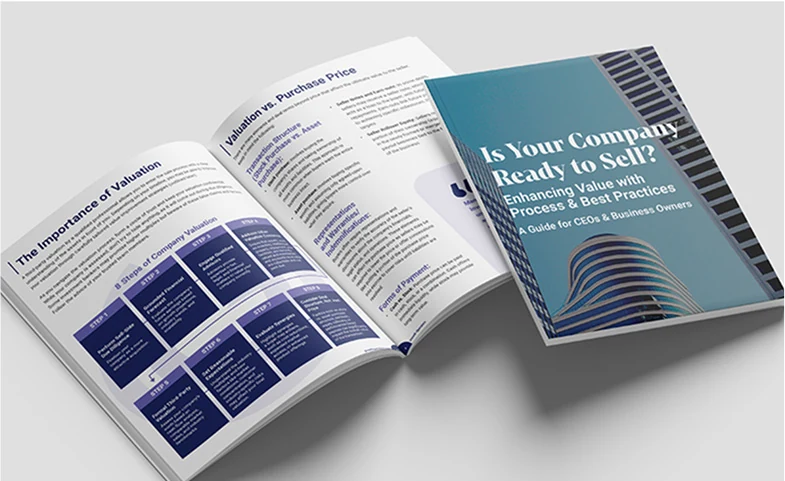
No matter where you are in the process, we can help you develop an Exit Readiness plan to maximize the value of your company and bring you to closing.
"*" indicates required fields