Ready to Build Something That Lasts?
We meet companies where they are, whether they’re navigating rapid growth, a transaction, a leadership gap, or an operational rebuild. Let’s talk about what you are solving for.

For Private Equity firms and strategic acquirers alike, the first 100 days after a deal closes often determine whether the investment ultimately delivers on its thesis targets.
Financial models may predict growth, operational improvements, and margin expansion, but the reality is that value creation does not occur automatically once the transaction is complete. It happens through disciplined execution, particularly across two of the most critical functions in any organization: Finance and Human Resources.
The CFO and CHRO sit at the center of post-acquisition integration. Together, they shape the operational infrastructure that allows strategy to translate into measurable performance. When these leaders work in alignment during the early stages of ownership, organizations move faster, identify risk earlier, and accelerate value creation.
This is why many Private Equity firms, operating partners, and portfolio companies focus intensely on the first 100 days after an acquisition. It is the window where integration decisions, leadership alignment, and operational priorities are set.
At Growth Operators, we have consistently found that successful integrations happen when strategy, people, and execution come together—a structured framework with hands-on execution. Through our proprietary nextLEVEL® assessment and value-creation framework, we help leadership teams evaluate the maturity of their Finance and HR functions, identify capability gaps, and prioritize the initiatives that matter most in the critical early stages of ownership.
Below is a playbook outlining how CFOs and CHROs can drive effective post-acquisition integration and position portfolio companies for long-term success.
Every acquisition begins with a strategic thesis. The deal team has identified opportunities, such as operational efficiencies, margin improvements, revenue expansion, or workforce optimization.
However, those opportunities only materialize if the organization has the infrastructure to execute.
The first 100 days typically determine whether the business can:
Without early alignment between Finance and HR, these efforts often stall. Reporting may remain fragmented, leadership roles may lack clarity, and cultural integration can falter.
That is why successful Private Equity firms increasingly prioritize cross-functional integration led jointly by the CFO and CHRO.
The CFO is responsible for creating financial clarity and operational discipline immediately after a transaction.
Many middle-market companies enter a Private Equity investment with limited financial infrastructure. Forecasting processes may be inconsistent, reporting cycles may be slow, and key performance indicators may not align with the value creation strategy.
Within the first 100 days, the CFO must establish a reliable financial operating system.
This typically includes several priorities.
One of the first challenges after an acquisition is gaining a clear understanding of the company’s true financial position. While diligence provides an initial view, deeper insights often emerge only after the transaction closes.
CFOs must quickly evaluate:
Establishing clear financial reporting creates the foundation for every subsequent decision.
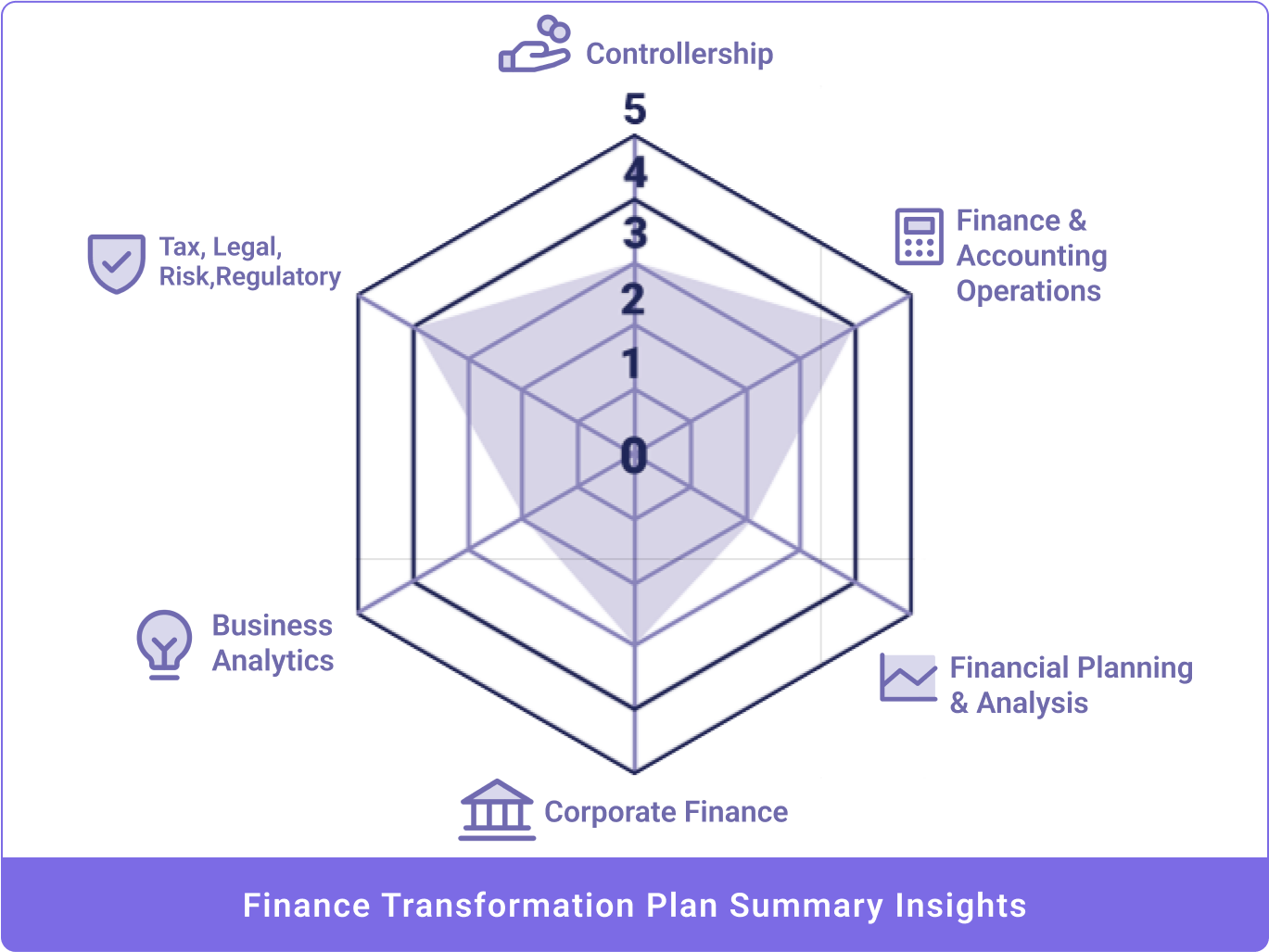
Private Equity-backed companies often require a more sophisticated forecasting and planning capability than they previously maintained.
Within the first 100 days, finance leaders frequently implement:
This level of visibility allows investors and executives to track progress against the investment thesis.
Beyond reporting, the CFO must actively identify financial levers that can accelerate value creation.
These may include:
When Finance provides actionable insights rather than historical reports, it becomes a strategic driver of growth.
While financial infrastructure is critical, people strategy is equally important during post-acquisition integration.
Transactions create uncertainty across the workforce. Employees may worry about restructuring, leadership changes, or cultural shifts. Without careful management, this uncertainty can lead to disengagement, turnover, or loss of productivity.
The CHRO plays a central role in stabilizing the organization and aligning the talent strategy with the value-creation plan.
One of the first priorities is evaluating whether the existing organizational structure supports the new ownership strategy.
The CHRO must determine:
A thoughtful organizational assessment ensures that the right leaders are in place to execute the strategy.
Communication during the early stages of ownership is essential.
Employees want to understand what the transaction means for them and how the company’s direction may evolve. Effective CHROs focus on transparency, consistency, and leadership visibility to maintain trust across the organization.
Retention of key talent is often a major priority during this phase.
Beyond stabilization, the CHRO must help position the organization for future growth.
This may involve:
When talent strategy aligns with the investment thesis, the organization can move more quickly toward its growth targets.
Post-acquisition integration often fails when Finance and HR operate in isolation.
The most successful integrations occur when these functions collaborate closely on shared priorities, including:
When CFOs and CHROs operate as strategic partners rather than separate functions, the organization gains both clarity and momentum.
Because the first 100 days move quickly, successful leadership teams rely on structured frameworks to prioritize their efforts.
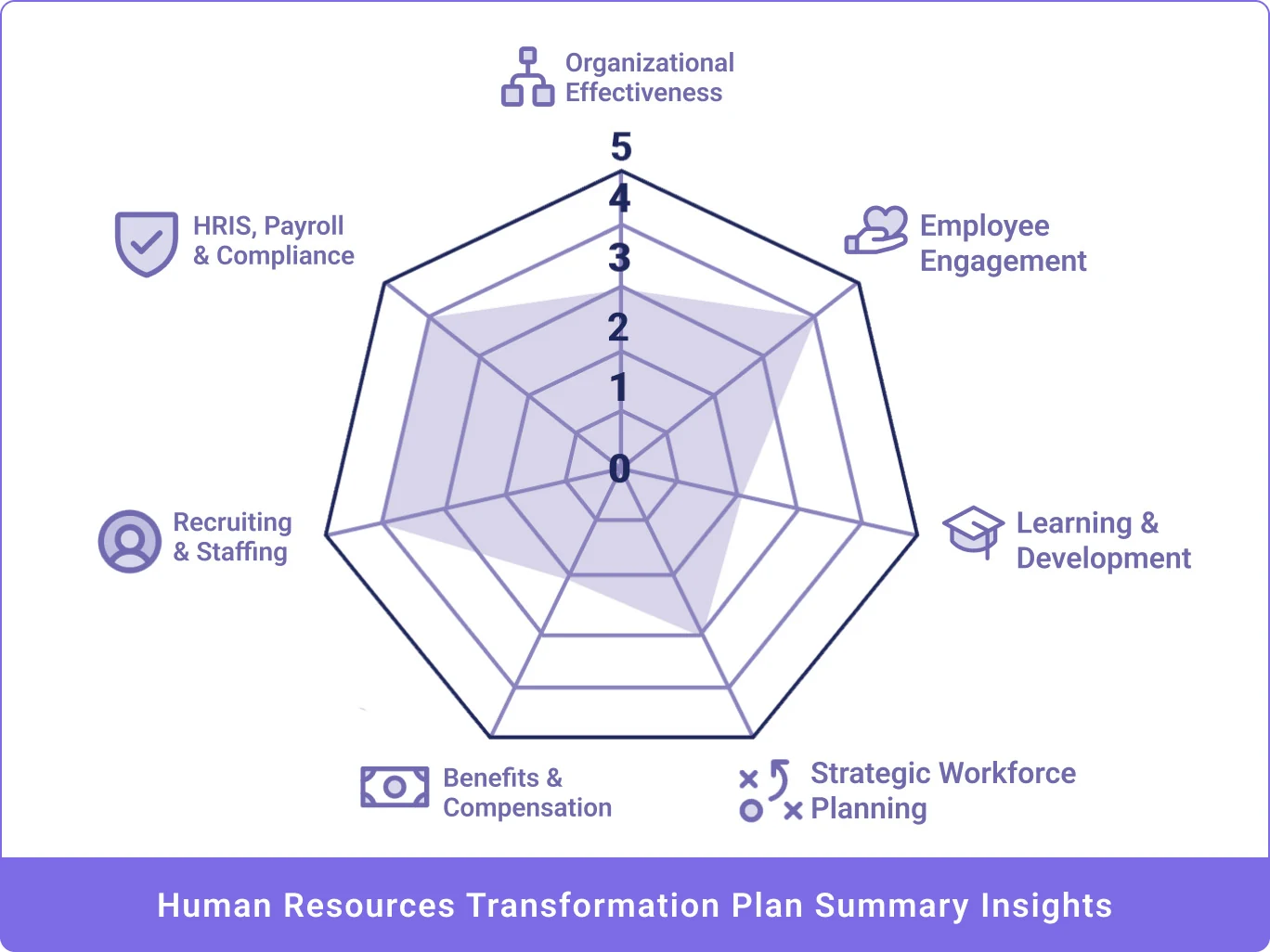
Growth Operators developed the nextLEVEL® assessment framework to help organizations evaluate the maturity of their Finance and HR functions and identify the most critical opportunities for improvement.
The nextLEVEL® approach begins with a comprehensive assessment of key operational areas, including:
The assessment produces a clear diagnostic of what is working, where gaps exist, and which initiatives should be prioritized first. These insights then form the foundation of a structured value-creation roadmap for the first 100 days and beyond.
This framework ensures that leadership teams focus on the initiatives that will deliver the greatest impact during the early stages of ownership.
Many consulting firms focus on strategy. However, post-acquisition integration requires something more practical: execution.
Private Equity firms and operating partners need execution operators who can embed within portfolio companies, work alongside leadership teams, and implement operational improvements quickly.
That is the model Growth Operators was built around. The firm’s team consists of experienced CFOs, CHROs, and operators who step directly into organizations to stabilize functions, build processes, and accelerate transformation.
Rather than delivering recommendations alone, they help companies execute the initiatives that drive measurable results.
The first 100 days after an acquisition are not just a transition period. They represent a critical opportunity to establish the operating rhythm that will define the company’s future trajectory.
Growth Operators partners with Private Equity firms and portfolio companies to make this process successful. Through services including fractional and interim leadership, finance and HR advisory, and operational transformation, Growth Operators’ strategic approach helps organizations implement the systems and processes that will enable sustained growth.
For Private Equity firms and operating partners seeking leaders in post-acquisition integration for Finance and HR functions, the combination of operator experience and structured frameworks can make all the difference.
Because in the end, the success of an acquisition is not determined at closing. It is determined in the first 100 days that follow.
Contact us today to get started.
No matter where you are in the process, we can help you develop an Exit Readiness plan to maximize the value of your company and bring you to closing.
"*" indicates required fields